From Yugoslavia to the Modern Balkans
A Journey Through History, Culture and the Stories That Shaped Southeast Europe
There are places where history feels distant. And then there are places where history is still part of everyday life.The Balkans are one of those places.From Yugoslavia to the Modern Balkans is a journey through Slovenia, Croatia, Bosnia & Herzegovina, Montenegro, Kosovo, North Macedonia, and Serbia, exploring the places, cultures, and stories connected to the former Yugoslavia.This is more than a sightseeing tour. It is an opportunity to understand how the region changed from Yugoslavia into the independent countries we know today.
What Was Yugoslavia?
Yugoslavia was a unique country that brought together different republics, cultures, religions, and traditions.After World War II, Josip Broz Tito became the country's most important political leader. Yugoslavia followed its own political path during the Cold War, maintaining relationships with both East and West.Today, Yugoslavia no longer exists, but its legacy can still be found throughout the region—in architecture, food, language, monuments, museums, family stories, and everyday life.The best way to understand that history is to travel through the places where it happened.
Slovenia: Where Tito's Story Begins
The journey begins in Ljubljana, Slovenia's beautiful capital.Explore the Old Town, Ljubljanica River, historic bridges, and Ljubljana Castle while discovering the city's Central European and Balkan influences.Ljubljana also has a special connection to Yugoslav history.Josip Broz Tito died in Ljubljana in 1980.His story continues throughout the journey, eventually leading to Belgrade, where he was buried.
Croatia: Adriatic Beauty and Yugoslav History
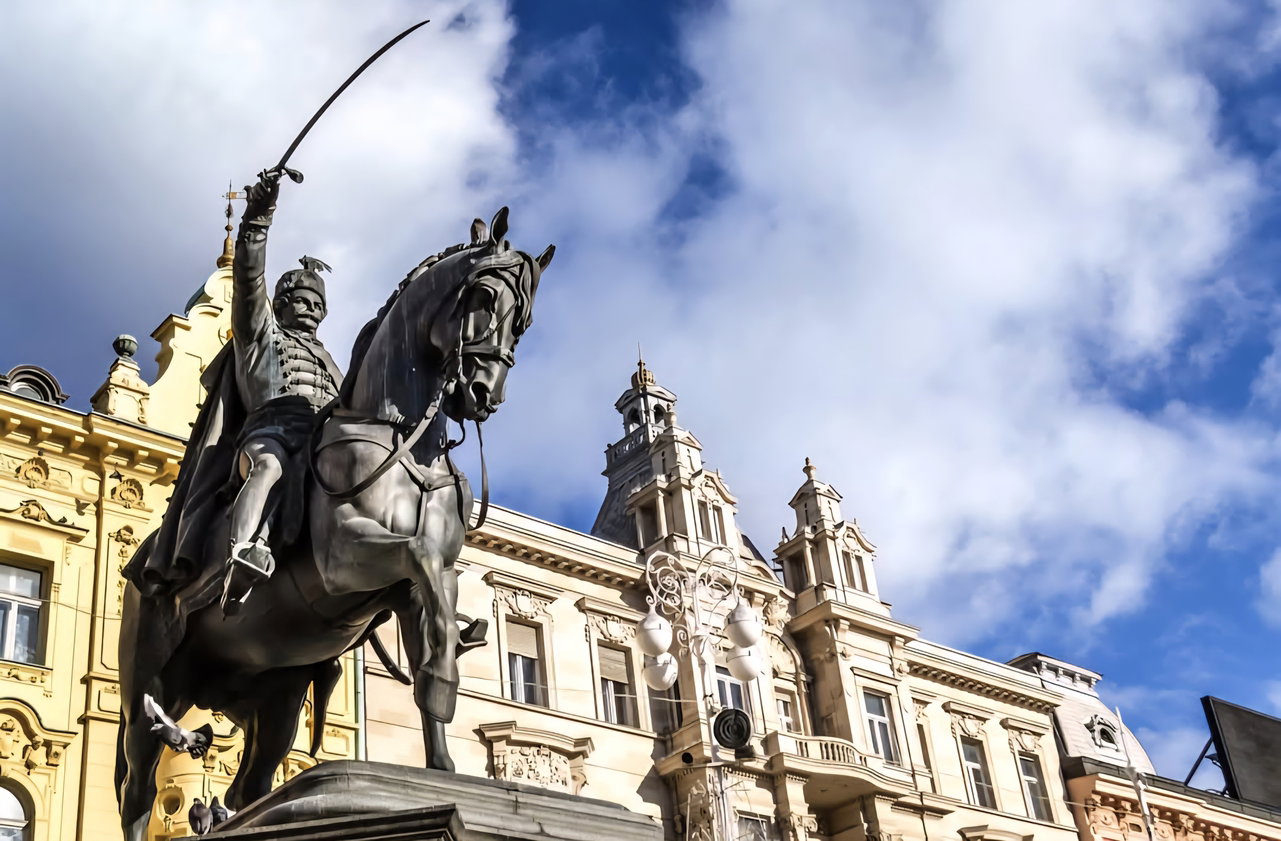
Croatia offers a fascinating combination of Mediterranean landscapes, Roman heritage, historic cities, and modern Croatian culture.From the beautiful streets of Rovinj to the lively capital of Zagreb and the ancient heart of Split, travelers experience several completely different sides of the country.In Zagreb, the Necktie Museum offers an unusual insight into Croatian culture, while the city's historic Upper Town reveals centuries of European history.In Split, the magnificent Diocletian's Palace reminds us that the region's story began long before Yugoslavia.
Bosnia & Herzegovina: Where History Comes Alive
Few places demonstrate the complexity of Balkan history better than Bosnia & Herzegovina.In Mostar, Ottoman architecture and the famous Stari Most bridge tell the story of a multicultural city.In Sarajevo, Ottoman, Austro-Hungarian, Yugoslav, and modern Bosnian history come together.A visit to the Tunnel of Hope provides a powerful insight into Sarajevo's recent past.Another unforgettable experience is Tito's underground bunker near Konjic. Hidden inside a mountain, the enormous Cold War complex was designed to protect Tito and the Yugoslav leadership in the event of a nuclear attack.Walking through the bunker offers a rare glimpse into Yugoslavia's Cold War history.
Montenegro, Kosovo and North Macedonia
The journey continues into Montenegro, where mountains meet the Adriatic.Explore the spectacular Bay of Kotor, historic Kotor, Perast, and Budva while discovering another side of the former Yugoslav region.In Kosovo, explore Pristina and the historic city of Prizren, where Ottoman heritage and modern Balkan culture meet.Then continue to North Macedonia and the beautiful city of Ohrid, located beside one of Europe's oldest and most spectacular lakes.In Skopje, discover the Old Bazaar, Stone Bridge, and the fascinating mixture of historical and modern influences that define the city.
Belgrade: Where the Story Comes Full Circle
The journey eventually reaches Belgrade, Serbia's capital and the former capital of Yugoslavia.Here, Tito's story comes full circle.Tito died in Ljubljana and was buried in Belgrade.At the House of Flowers, visitors can see his tomb, while the Museum of Yugoslavia provides a deeper look at the country's political history, culture, and international role.After traveling through the former Yugoslav countries, arriving in Belgrade gives the journey a powerful sense of completion.
More Than History
The Balkans are not only about history.They are about spectacular coastlines, mountains, medieval towns, lively cafés, traditional restaurants, markets, music, and welcoming people.Food is also an important part of the experience—from Croatian seafood and Bosnian ćevapi to Macedonian, Montenegrin, and Serbian specialties.History may connect the journey, but culture, food, landscapes, and people make it memorable.
Why Take a Former Yugoslavia Tour?
A former Yugoslavia tour is ideal for travelers who want to experience something beyond the usual European destinations.Instead of visiting one country, you experience several cultures connected by a shared history.Instead of simply seeing famous landmarks, you discover the stories behind them.And instead of passing through the Balkans, you have the opportunity to understand them.The journey can also be private and fully customizable, depending on your interests. Whether you are fascinated by Tito and Yugoslav history, Cold War history, architecture, food, nature, or local culture, the itinerary can be adapted around you.
From Yugoslavia to the Modern Balkans
The countries of the former Yugoslavia have changed dramatically, but their shared history remains visible.It lives in the cities, monuments, museums, food, languages, and memories of the people who live there.Traveling through the region allows you to see not only what Yugoslavia was, but also what came after it.Discover the Balkans beyond the headlines and experience the stories, cultures, and people that continue to shape Southeast Europe.Travel the Balkans. Discover the history. Experience the region for yourself.Explore a private and customizable former Yugoslavia tour with Why Not Tours.